Choosing a mattress isn’t just about comfort on day one. It’s about how well that comfort holds up over years of real use. Many sleep issues—back pain, overheating, restless nights—don’t come from choosing the wrong firmness, but from choosing a mattress that wasn’t built for long-term support.
“Always put quality between you and the ground.”
Few sayings apply more literally to sleep. A mattress sits at the foundation of daily energy, recovery, and long-term health—and when that foundation fails, everything above it feels off.
Go Beyond One Store or One Brand
While major mattress retailers are a common starting point, limiting your search to a single store or brand narrows your perspective. Different manufacturers prioritize different constructions—foam-heavy, hybrid, latex-forward—and those differences matter far more than logos.
Trying a range of mattress types helps you identify what your body responds to, not what marketing emphasizes.
Comfort Is Important — Support Is Non-Negotiable
A mattress can feel amazing for five minutes and fail you after five months. When testing mattresses, focus on both immediate comfort and structural support.
What to look for when testing:
- Sustained comfort: Lie down for at least 10–15 minutes in your usual sleep position
- Spinal alignment: Your hips and shoulders should sink just enough without throwing your spine out of line
- Resistance to bottoming out: The mattress should push back, not collapse under weight
This becomes especially important for heavier sleepers, where low-density foams tend to break down faster.
Understand Materials Before Choosing Firmness
Many mattress problems stem from materials, not firmness levels.
Key material insights:
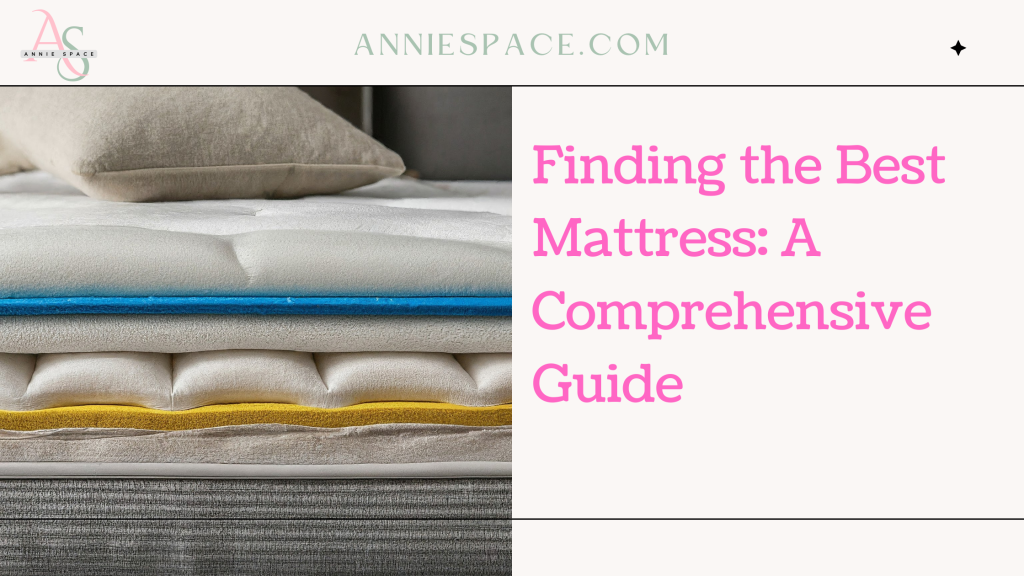
- Latex resists sagging, rebounds quickly, and sleeps cooler than memory foam
- Hybrid mattresses (coils + comfort layers) maintain alignment better than all-foam beds
- Memory foam-heavy designs may trap heat and lose support faster under higher loads
Mattresses using reinforced coils, thicker comfort layers, and breathable natural fibers tend to age more gracefully.
Read Reviews for Durability, Not Just First Impressions
Online reviews are most useful when you look past “felt great at first” and focus on long-term ownership.
Pay attention to feedback about:
- Sagging after extended use
- Heat retention over time
- Consistency after moving or rotating
- How the mattress feels years later, not weeks
Long-term satisfaction is a stronger signal than early excitement.
Brands Known for Structure and Longevity
When narrowing options, focus on brands known for strong construction rather than entry-level pricing or aggressive marketing.
Mattresses that consistently perform well tend to feature:
- Reinforced or zoned coil systems
- Latex or dense comfort layers
- Builds designed to handle sustained weight without fatigue
Hybrid and latex-focused mattresses generally outperform basic foam beds in long-term comfort and support.
One Common Mistake to Avoid
Many people underestimate how quickly cheaper materials degrade. A mattress that feels supportive in a showroom can quietly lose alignment support over time, leading to stiffness, overheating, or disrupted sleep.
The most common regret isn’t spending too much—it’s replacing a mattress sooner than expected.
Final Thoughts
A good mattress disappears from your thoughts once it’s doing its job. You fall asleep faster, wake up without stiffness, and stop thinking about upgrades altogether.
If there’s one principle worth remembering, it’s this: always put quality between you and the ground. When you do, better sleep tends to follow—and stay.